About Team Kid Power
Team Kid Power (Team KiPOW! For short) is a school-based program and non-profit organization which implements health policy to improve diet and exercise practice in underserved communities and employs evidence-based methods to change behavior in children.
We are a partnership between academic medical institutions and the communities they serve.
Team KiPOW! is a Weight-Neutral Program
Team KiPOW! promotes healthy diets and meaningful movement regardless of weight status.
We are all about:
Why We Are Needed
Poor cardiometabolic health is not a chronic problem. It is a true epidemic in U.S. youth.
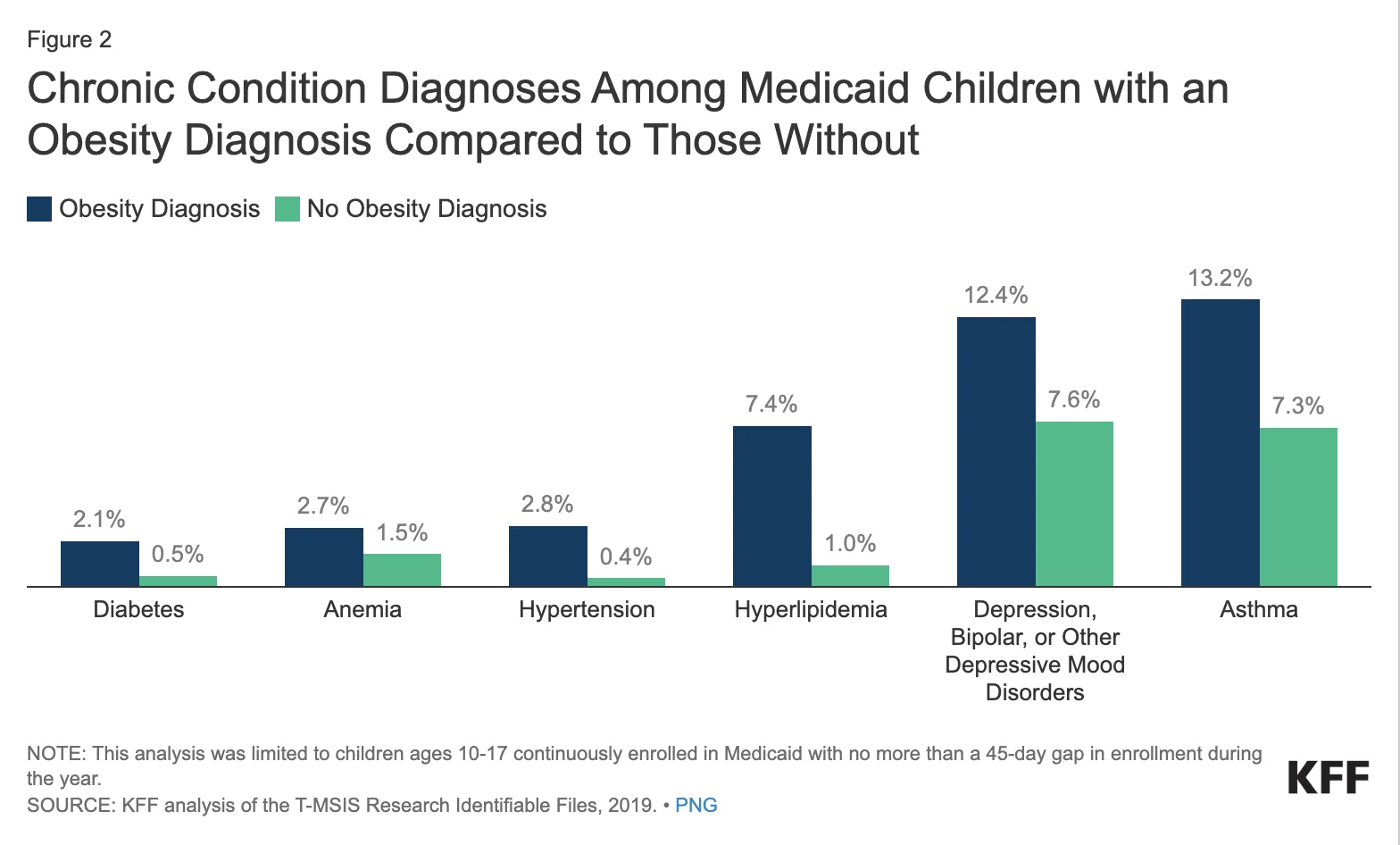
Children now have diseases that were formerly only found in adults:
Rates of pediatric obesity have more than doubled in children, and quadrupled in adolescents, over the last 30 years- and it only continues to rise.
Poor dietary habits and a sedentary lifestyle in children leads to:
Insulin resistance and increased cardiometabolic risk… which can result in:
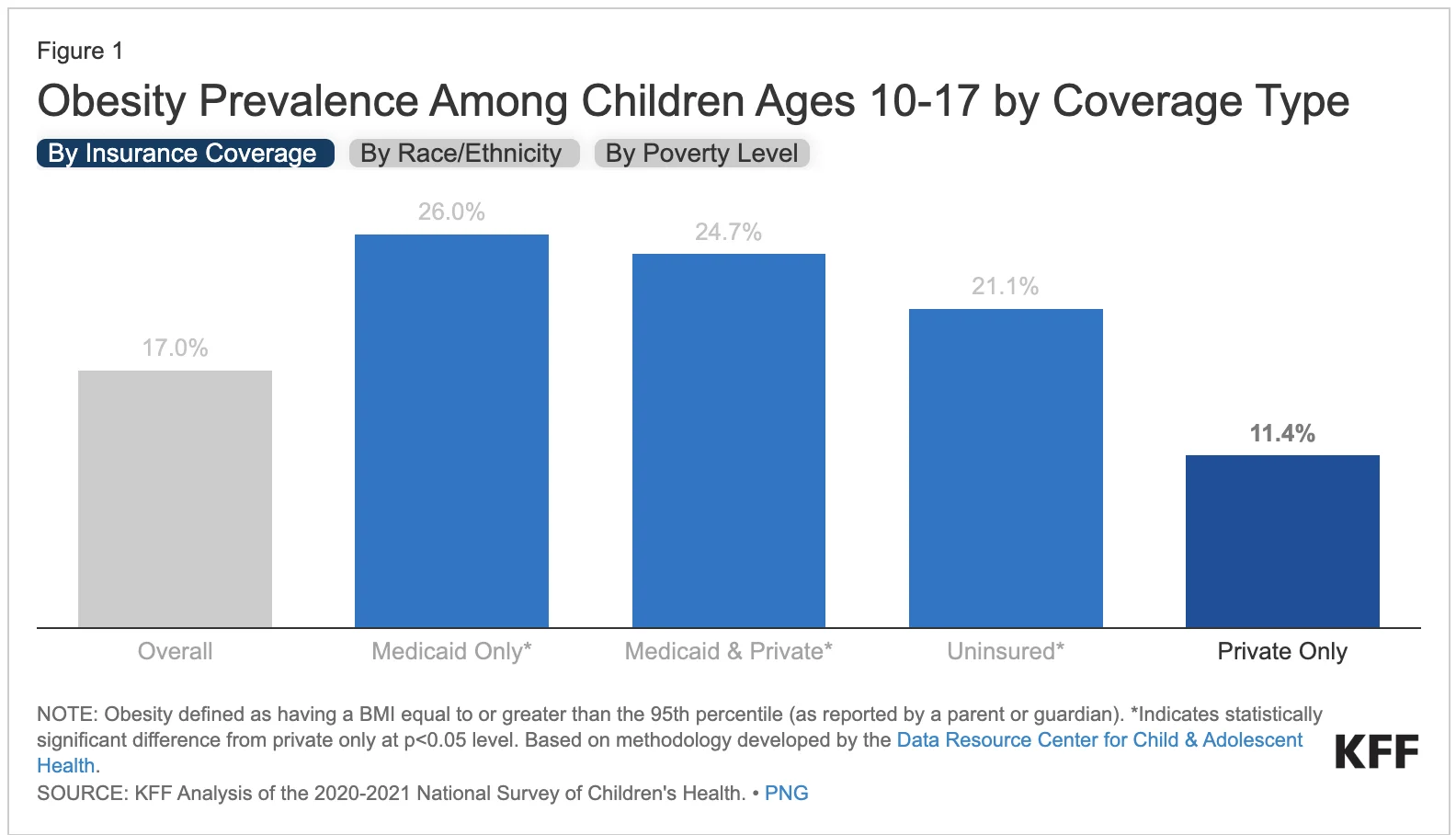
The Disease of Obesity Discriminates
Minority and low-income children continue to bear the greatest burden of risk. This disparity continues to rise.
Pediatricians can’t prevent poor cardiometabolic health by themselves.

Factors that Affect Cardiometabolic Health
The Role of Policy
Children spend approximately 943 hours per year in school.
Schools control a significant portion of a built environment for youth and present a big opportunity for change.
State and federal policies in schools have been “implemented”
The government recognizes that schools can be used to level the playing field for disadvantaged children.

Provide nutritious Food for kids during breakfast and lunch
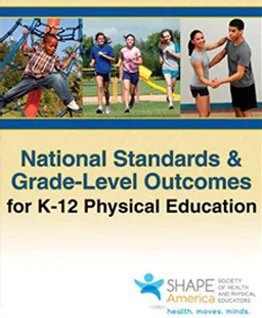
Increase the mandatory physical fitness minutes per week in schools

Make health education mandatory to improve health literacy
Policy Reality
The Theory
What actually Works to Change Behavior
The United States Preventive Services Task Force recommends >26 hours face-to-face time with a trusted health care provider over 2 to 12 months to achieve behavior change.
- Currently: 30 minutes annually with pediatrician per year
We must think outside the box and go beyond the traditional clinical model!
The Catalyst for behavior change = Team KiPOW!

Our Model
Team KiPOW! is a catalyst that can help schools achieve ambitious student wellness goals.
We looked at the incentives of all stakeholders and developed a model to implement enlightened school healthy policy, to change the behavior of school children so that they could achieve their desired effect, to quantify their impact, and to train the next generation of healthcare providers to be effective in lifestyle counseling.
It’s mutually beneficial: there’s no extra burden on elementary schools or medical schools.
The KiPOW! Intervention
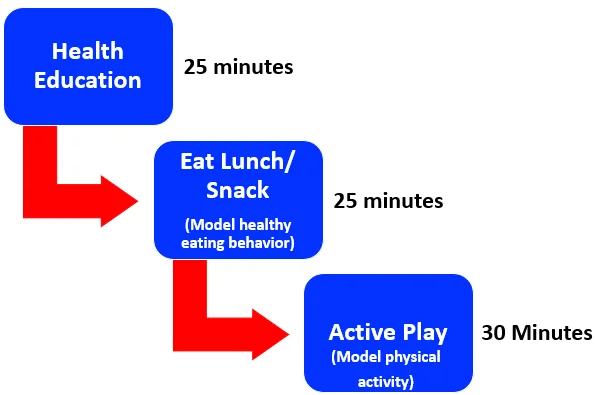
It’s Magic!
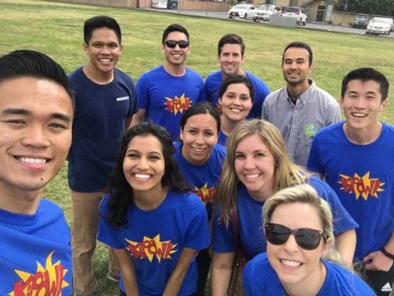
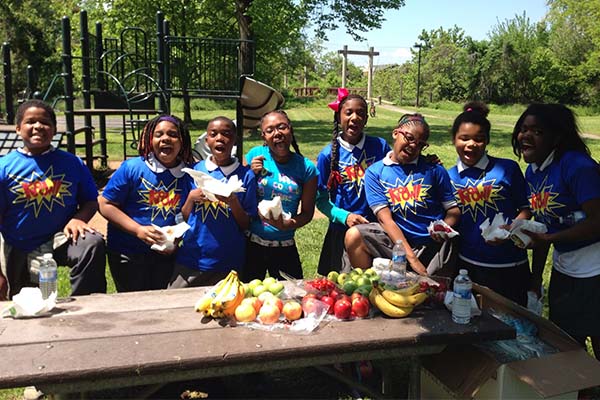
Symbiosis: We Need to Train Health Professional Students to Address Prevention!
We Teach Simple, Evidence-Based, & Interactive Lessons
Sample 10 week Curriculum
- Introduction to Team KiPOW!, My Plate Model (Smart Food + Active Play = ENERGY aka POWER)
- Breakfast (One A Day)
- Water (Introduction to the P-Meter – What Pee Color Tells You)
- Exercise (Introduction to Blood Pressure – and How Food and Play Can Change It)
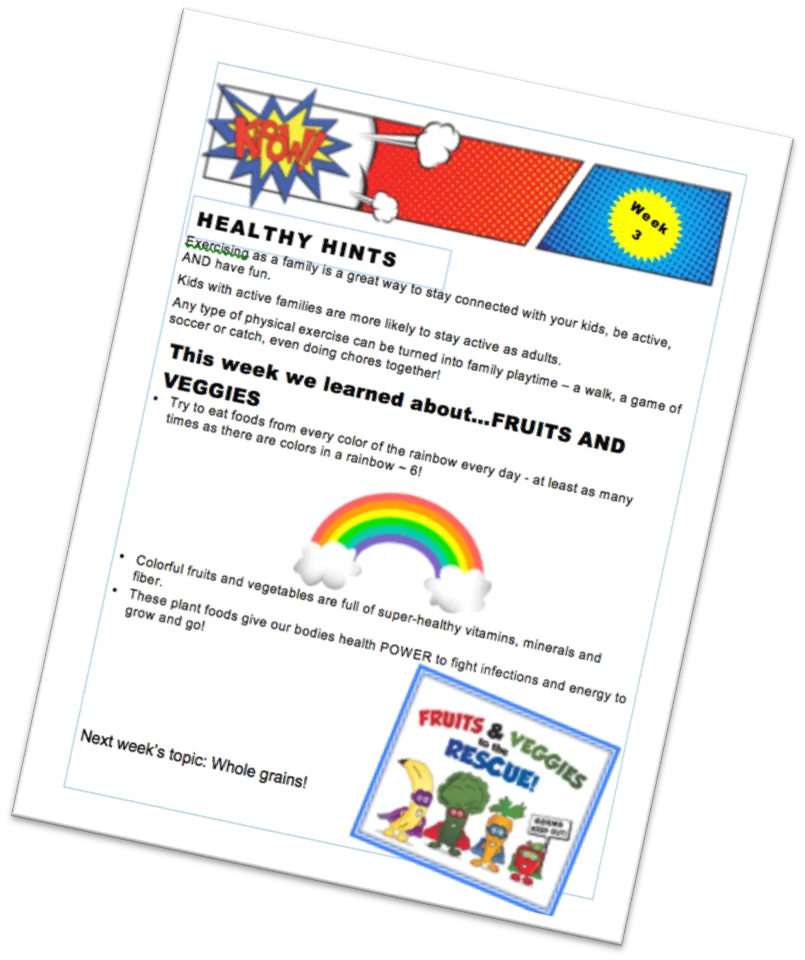
- Fruits, Vegetables, and Vitamins (Eat the Rainbow)
- Carbohydrates and Nutrition Labels (Why Fiber is a Carbohydrate Upgrade)
- Proteins (Think Flexitarian) and Fats (Where to Find the Best Kind, Which to Leave Behind)
- Snacks (How to Use What We Know Now to Feed a Snack Attack)
- Sleep (Make Mindful Breathing Part of Your Night Time
- Review (Jeopardy Game Show — Review)
Sample 20 week Curriculum
Introductions, My Plate, Energy
Breakfast
Water and Diabetes
Exercise and Blood Pressure
Major Nutrients
Fruits and Vegetables
Carbohydrates
Whole grains
Say No To Drugs
Proteins
Healthy Fats
Vitamins
Calcium
Macro/Micro Minerals
Reading Nutrition Labels
Healthy Recipes
Sleep and Mindful Moments
Group Project Part 1
Group Project Part 2
Final Jeopardy
We believe in getting families involved!

Accessible on interactive website
Additional resources for families sent home each week
Our Goals
We aim:
- 1
To attack the growing epidemic of poor pediatric cardiometabolic health in an evidence-based, effective manner
- 2For every child to be able to eat nutritious and tasty food, to engage in meaningful movement daily, and to learn about their health and bodies
- 3To train the next generation of physicians and healthcare providers to learn how to counsel patients on lifestyle change, act beyond the walls of the hospital and clinic, and make meaningful change in their communities